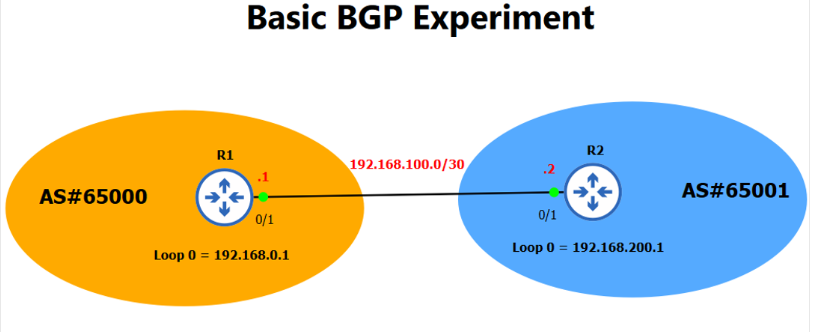
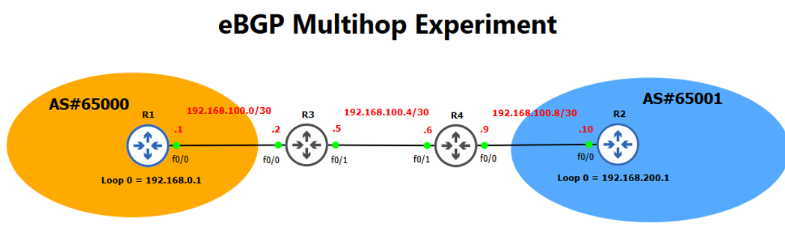
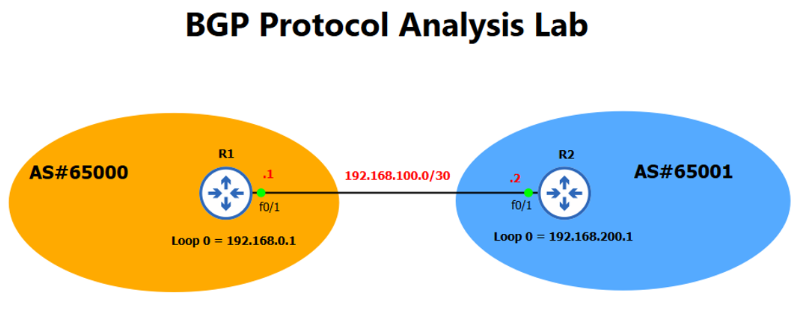
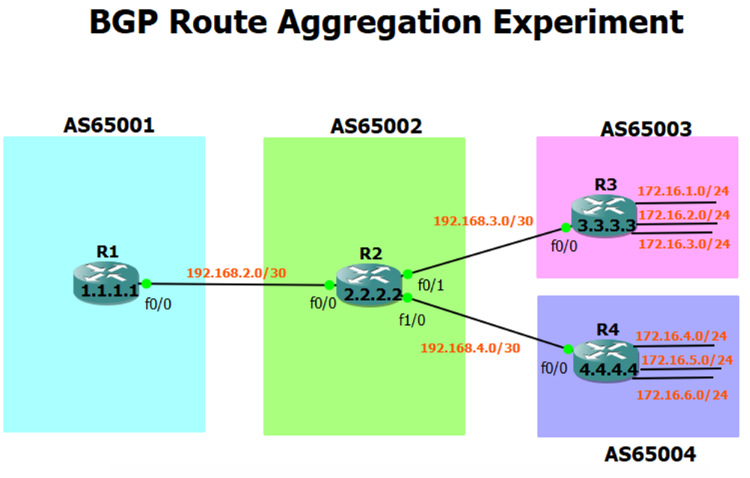
Network Engineers and folks learning networking – my BGP Lab series is now available – you will find them here. There are three Labs that include GNS3 topologies, and PCAPS to emulate and capture these awesome labs. Starting with Basic, then looking at Multihop eBGP, then examining the protocol with Wireshark, then examining the main metric BGP uses: AS_PATH, then moving on the advanced features like Route Reflectors and more.
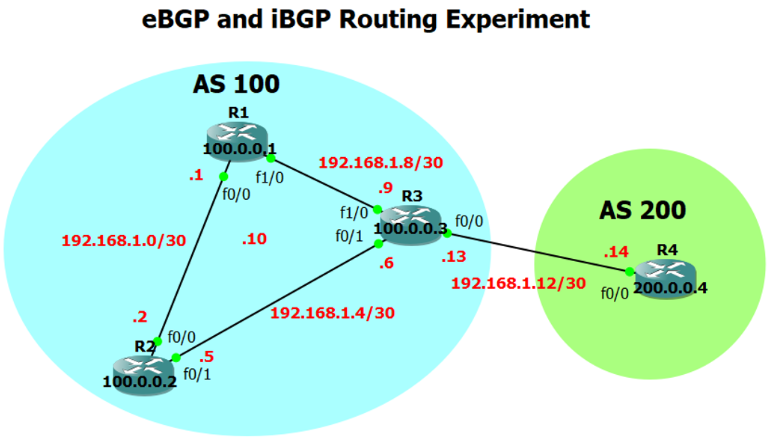
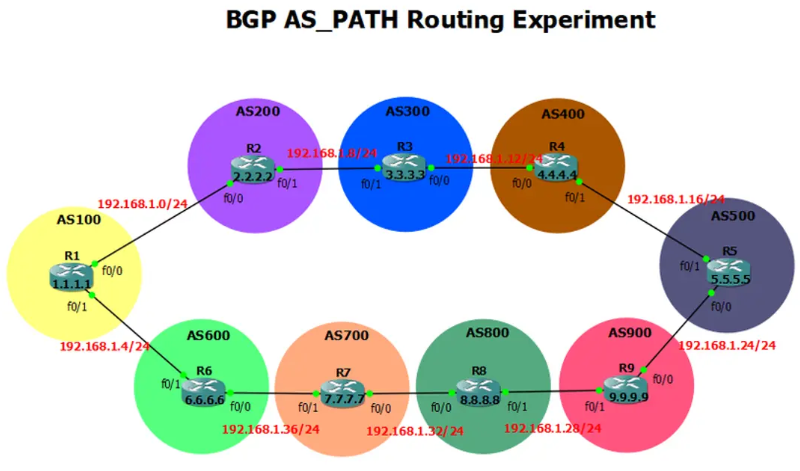
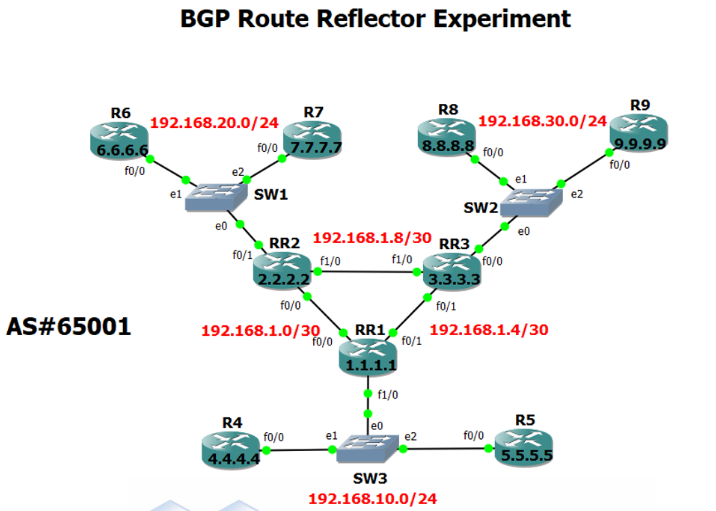
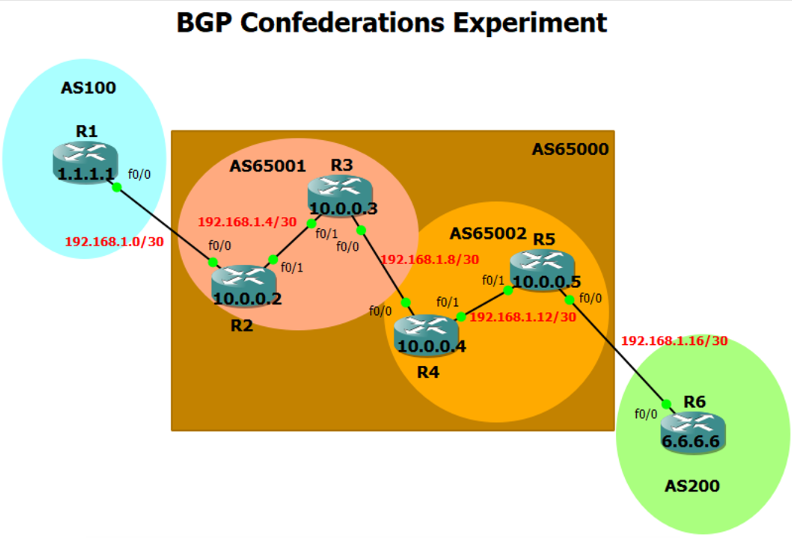
A simple starter for anyone who has never configured BGP before.Can we make BGP work if the two peers are not directly connected to one another? Yes, and this lab explains how and makes it work!In this lab we dive into the BGP protocol itself, capture the exchanges between peers, and then analyze these exchanges in Wireshark.In this lab we learn the difference between eBGP (external) and iBGP (internal). We configure the different types and we learn how this works, as well as some pitfalls.BGP is quite complex when it comes to deciding the best path to a given destination. In this routing experiment we learn about the main one: AS_PATH.BGP allows large networks to scale and it does this using Route Reflectors. This lab experiment not only configures this feature, but then explores its operation.When companies or network operators merge, they need to merge their networks as well. BGP supports a feature to accomplish this called BGP Confederations, and we examine the feature in this lab experiment.In this experiment we learn about methods to keep routing tables under control, but of course this raises issues!
If you would like to help support the continued development of independent networking, broadband, Wi-Fi, VoIP, and packet analysis content, please consider joining our Patreon community where you will gain access to exclusive technical resources, downloadable labs and PCAPs, bonus course content, troubleshooting guides, and additional member-only material. Comments and technical discussion are always welcomed at our Patreon community or on our Discord server. You can also support our work by simply buying us a coffee — every contribution helps us continue creating practical, real-world network science education for professionals and enthusiasts alike.